
Demystifying Root Canal Therapy: Overcoming Historical Fears
Among all standard dental procedures, none has been surrounded by as much anxiety and historical misconception as Root Canal Treatment. For generations, the phrase "root canal" was often associated with severe discomfort, leaving patients with the false impression that the treatment itself causes pain. In modern clinical endodontics, however, this is completely inaccurate. The root canal procedure does not cause pain; rather, it is the highly effective medical treatment that eliminates pain, halts dental infections, and preserves your natural teeth.
Older dental techniques from decades ago relied on basic manual instruments, less precise diagnostic imaging, and simple local anesthetics. Today, advanced technologies have completely transformed this endodontic experience. At V.I.P Dental Care, Varanasi, under the expert direction of Dr. V.R. Mishra, B.D.S., M.U.H.S. (Mumbai), we combine high-precision rotary micro-endodontics with computer-guided pain control. This approach enables us to deliver single-sitting root canals that are as comfortable and routine as a standard dental filling. We offer this advanced care across our modern locations in Sigra, Kamachha, and Shivpur.
1. The Anatomy of Tooth Decay: How Pulpal Infections Develop
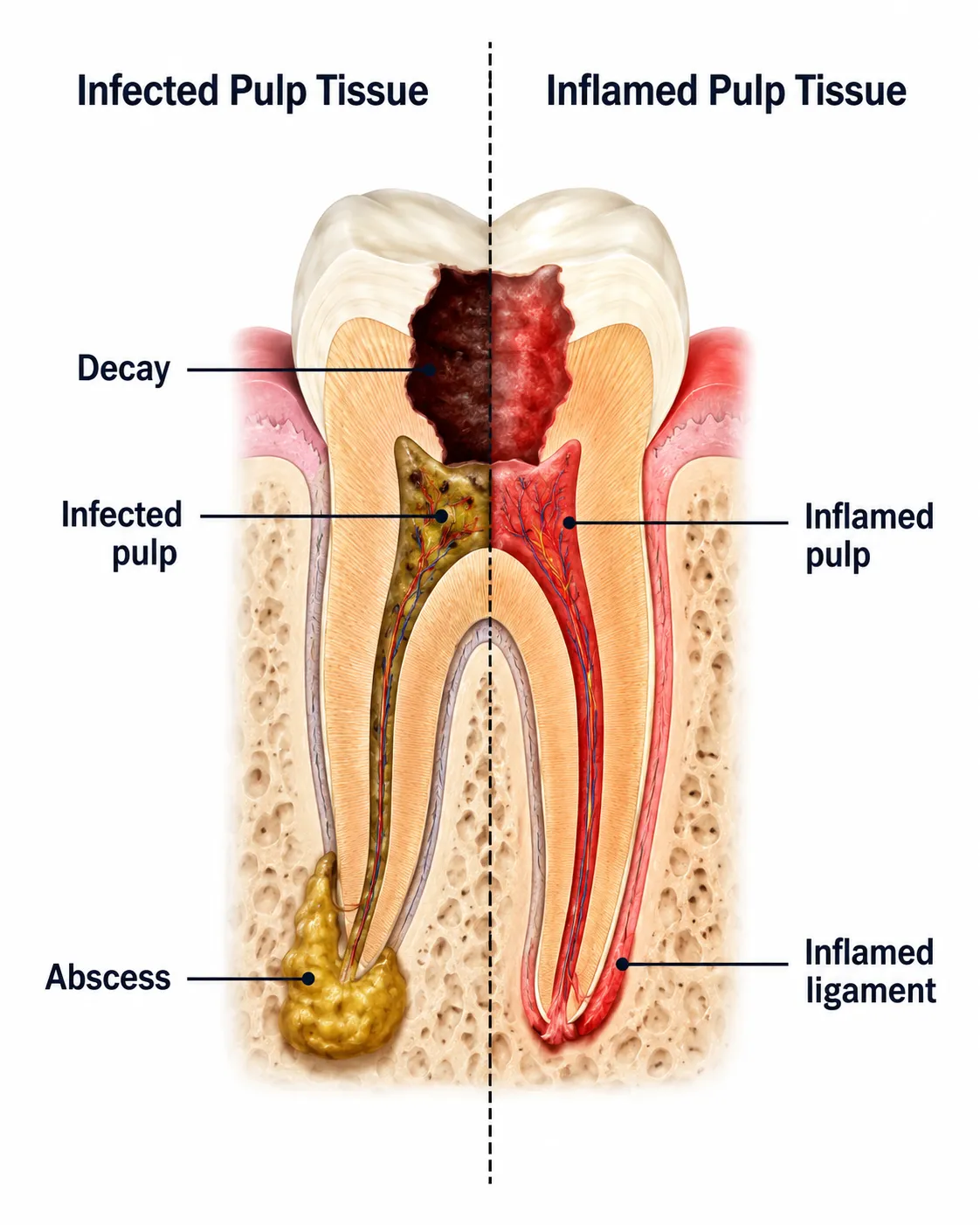
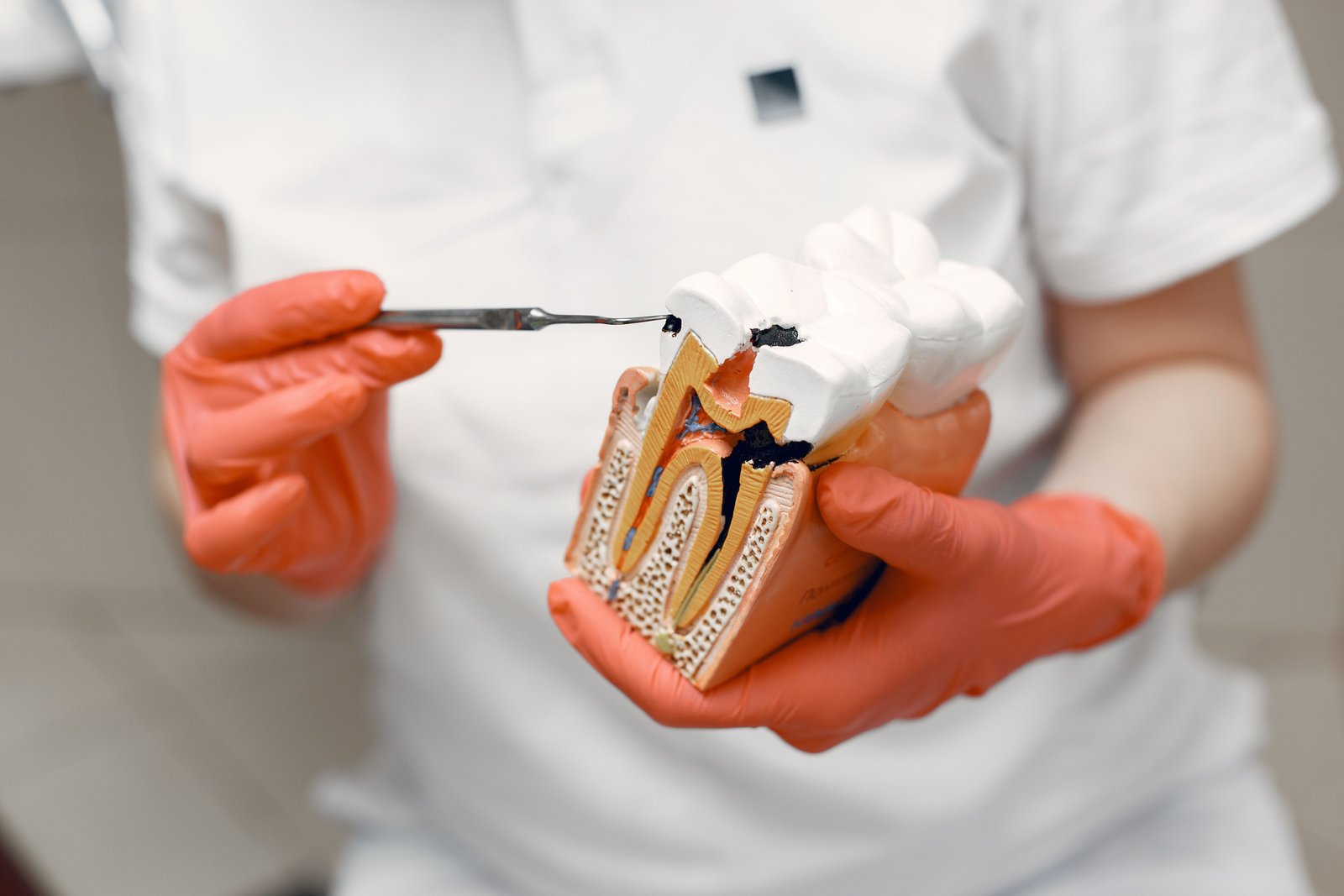
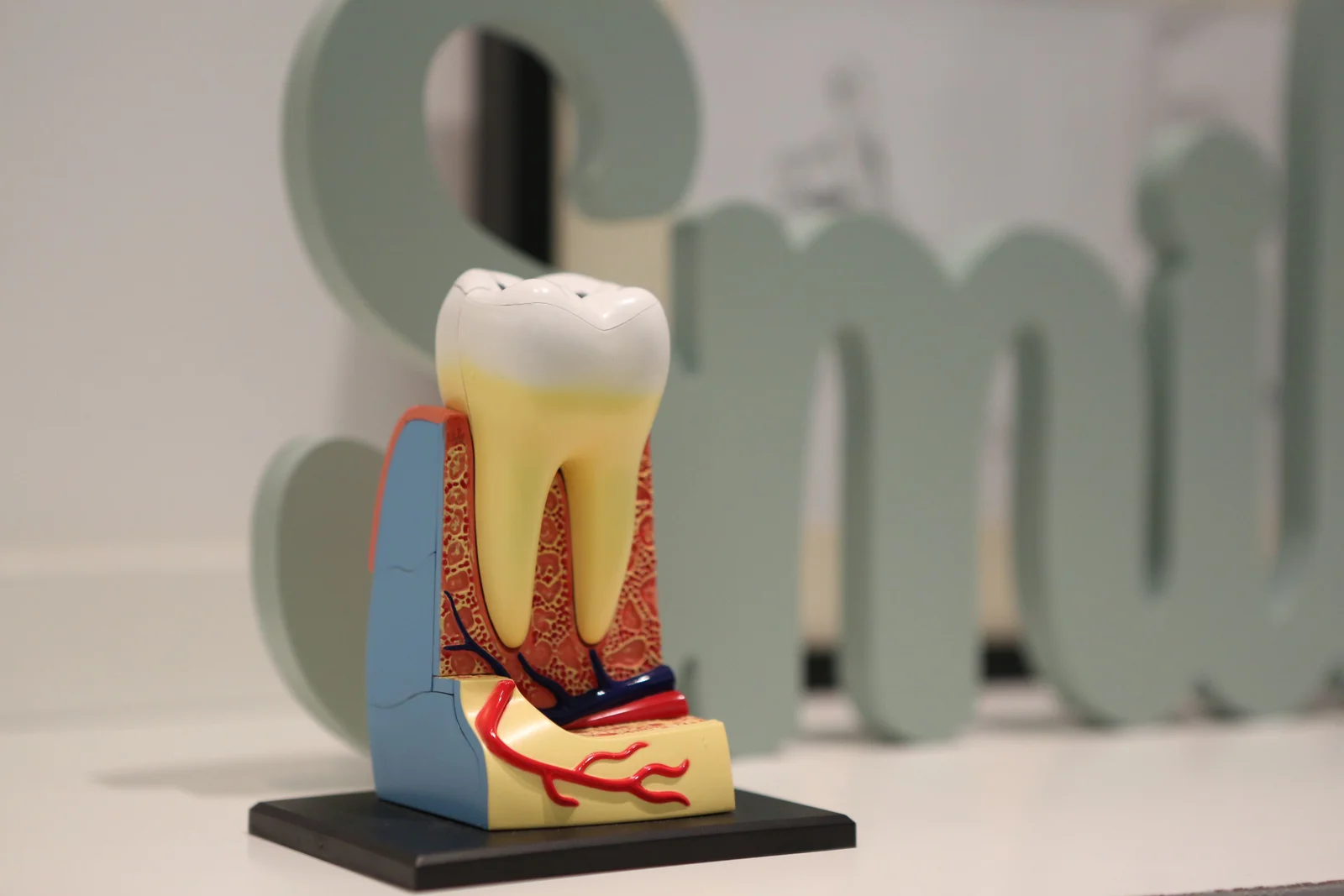
To understand why a root canal is needed, it is helpful to look at the internal structure of a tooth. A tooth is made of three distinct layers:
- The Enamel: The hard, mineralized outer shell of the tooth, designed to withstand daily chewing forces and protect the inner layers.
- The Dentin: The porous layer beneath the enamel, containing millions of microscopic tubules that lead directly to the tooth's center.
- The Pulp Chamber: The soft tissue core at the very center of the tooth. This chamber contains vital blood vessels, connective tissues, and highly sensitive nerves that extend down the root canals and connect to your jawbone.
When deep decay, micro-fractures, or trauma bypass the enamel and dentin layers, bacteria can invade the pulp chamber. This bacterial invasion causes an inflammatory reaction inside the soft tissue, known as pulpitis. Because the pulp is enclosed within hard dentin walls, the tissue cannot expand as it swells. This restriction causes high pressure to build up inside the tooth, resulting in the intense, throbbing pain commonly associated with tooth infections.
If this infection is left untreated, the pulp tissue will die, and the bacteria will continue to travel down the root canals into the surrounding jawbone. This can lead to painful bone infections, tooth abscesses, and eventual tooth loss.
2. The Science of Painless Anesthesia and Active Infection Control
The first and most important step of a painless root canal is achieving complete, reliable local anesthesia. Some patients worry that a root canal will be painful if the tooth pulp is actively inflamed—often referred to in dentistry as a "hot tooth." In these situations, the localized tissue becomes acidic, which can sometimes reduce the effectiveness of traditional local anesthetics.
To ensure complete comfort, V.I.P Dental Care utilizes advanced pain-control protocols. We use pH-buffered local anesthetics that work quickly and effectively even in highly inflamed areas, neutralizing the usual "stinging" sensation of injections. Additionally, we use computer-controlled delivery systems to administer the anesthetic gently and precisely, ensuring the entire treatment area is thoroughly numbed before any procedure begins.
3. Step-by-Step Clinical Protocol: Rotary Micro-Endodontics
Once the tooth is completely numb, Dr. Mishra and our clinical team carry out the root canal procedure using a precise, highly systematic protocol:
Step 1: Sterile Rubber Dam Isolation
We isolate the tooth using a sterile rubber dam. This prevents bacteria-laden saliva from contaminating the root canals and ensures a dry, clean working environment for endodontic treatment.
Step 2: Micro-Access & Orifice Location
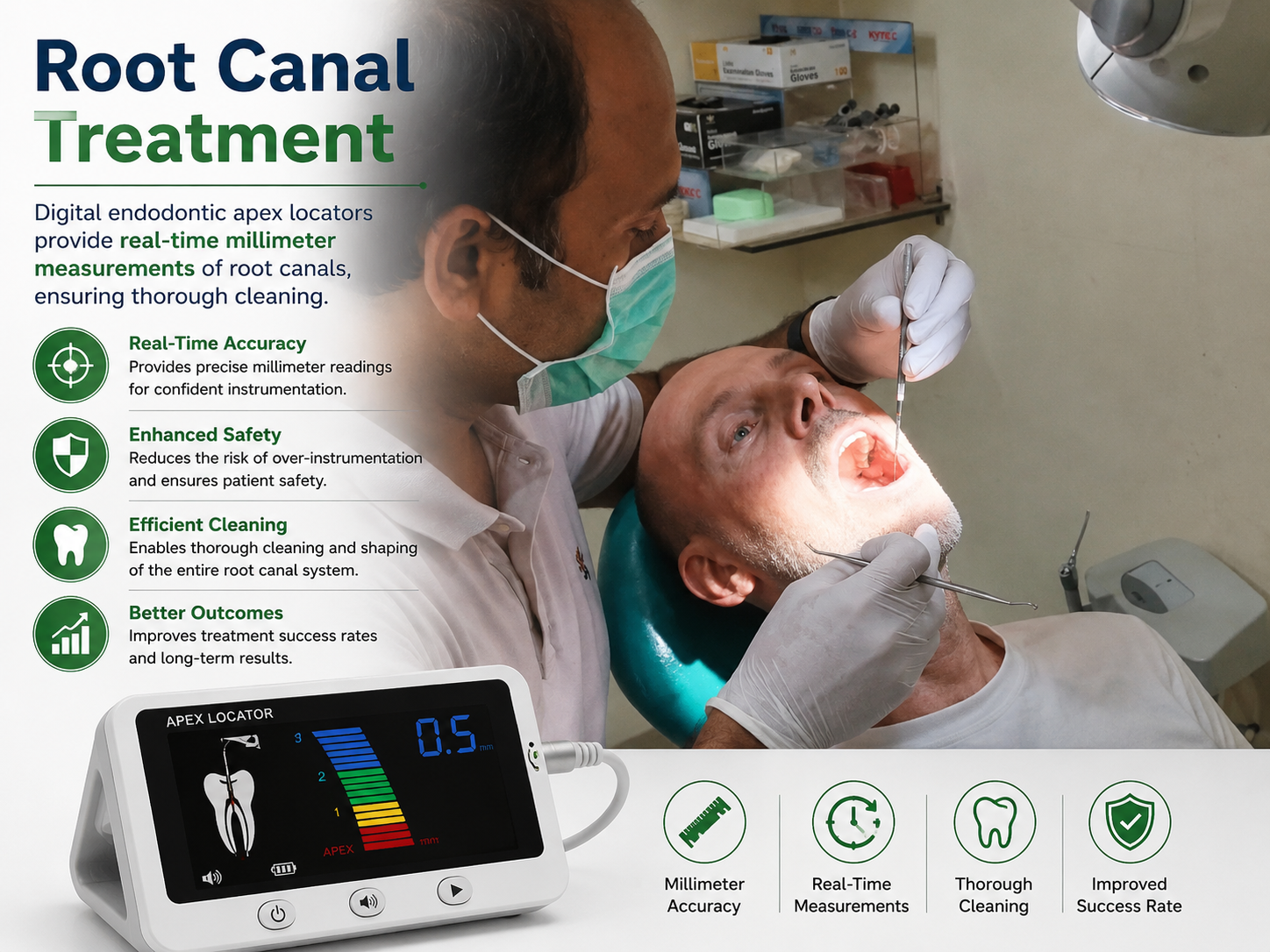
We create a tiny access opening in the crown of the tooth. Using high-powered magnification, we locate all root canal entries—including extremely fine, hard-to-find accessory canals.
Step 3: Biomechanical Rotary Preparation
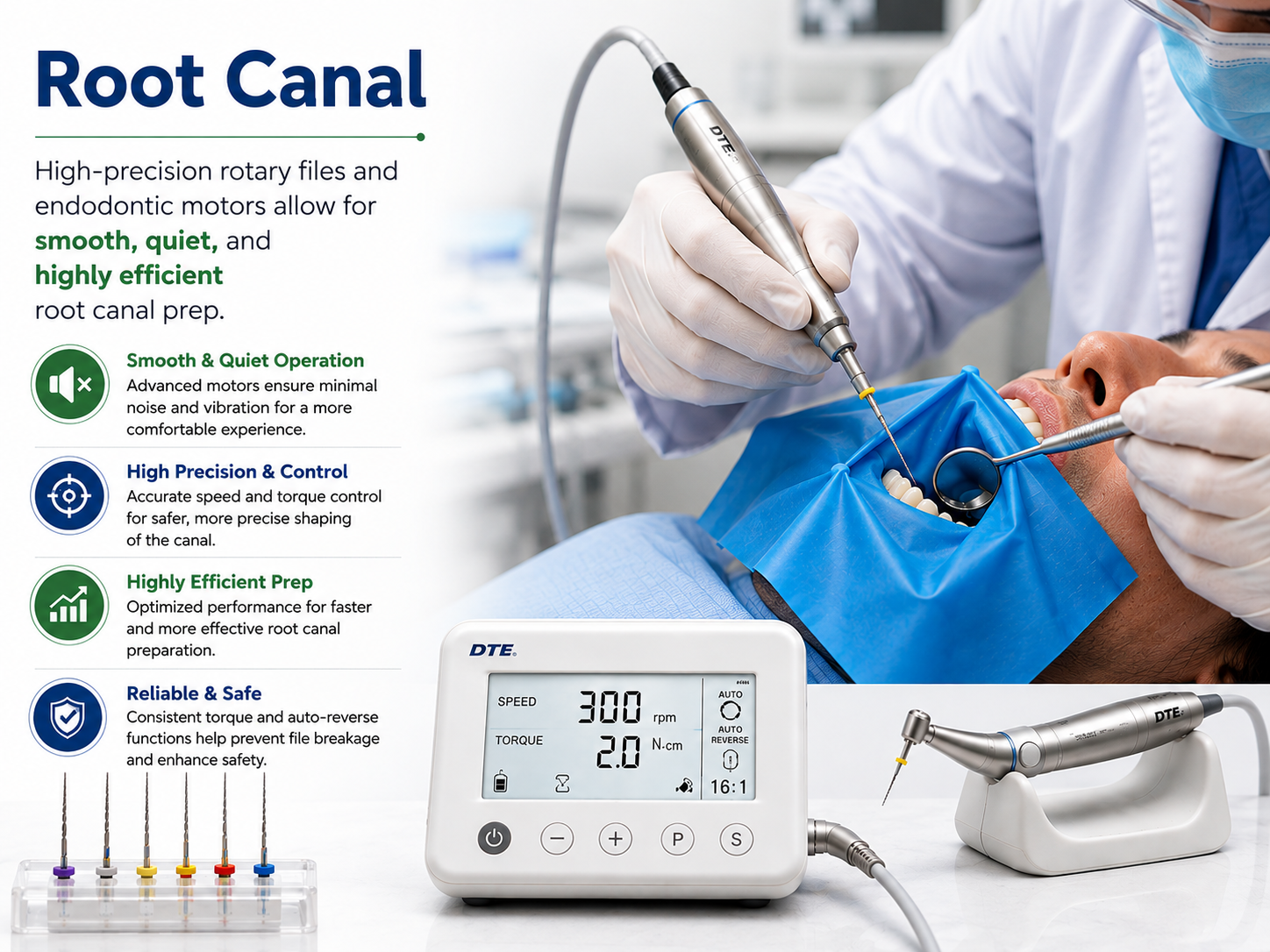
We clean and shape the root canals using advanced nickel-titanium (NiTi) rotary files. These files are highly flexible and conform to the natural curves of your roots, ensuring a thorough cleaning without damaging the root walls.
Step 4: Active Ultrasonic Disinfection
We sanitize the canals using advanced irrigating solutions activated by ultrasonic energy. This creates micro-acoustic currents that reach deep into lateral canals, eliminating remaining bacteria and tissue debris.
Step 5: Thermoplastic Obturation
We hermetically seal the clean canals using warm gutta-percha—a biocompatible material—and advanced bioceramic sealers. This complete seal prevents any bacteria from re-entering the tooth structures.
4. Single-Sitting vs. Multi-Sitting Root Canals
Thanks to modern endodontic motors and advanced rotary file designs, we can perform many root canal treatments in a single visit. Single-sitting root canals offer several key advantages, saving patients time and reducing the risk of temporary seal leaks between appointments.
Single-visit root canals are generally ideal when the infection is caught early, the tooth pulp is still vital, or the root anatomy is straightforward. However, if a patient presents with severe periapical swelling, active pus, or highly complex, curved root canals, Dr. Mishra may recommend a two-visit approach. In these cases, we place a soothing, antibacterial medication inside the canals during the first visit to ensure the infection is thoroughly cleared before finalizing the seal.
5. Post-RCT Treatment: Structuring and Strengthening Your Tooth
Completing a root canal is a major step, but the tooth still needs to be structurally reinforced. Once the pulp tissue is removed, the tooth loses its internal blood supply, causing it to become brittle over time. Additionally, significant tooth structure is often lost to deep decay before the root canal even begins.
To ensure your tooth remains strong and functional for years to come, we must place a durable structural restoration. For teeth with minor structure loss, a high-strength composite core build-up may be sufficient. However, for teeth that have lost significant enamel and dentin, we recommend a custom crown.
At V.I.P Dental Care, we provide premium, custom-fabricated crowns—including high-strength Zirconia and E-max crowns. These restorations distribute chewing forces evenly across your jaws, protecting your treated tooth from fractures and restoring its natural, healthy look.
Restore Your Pain-Free Smile Today
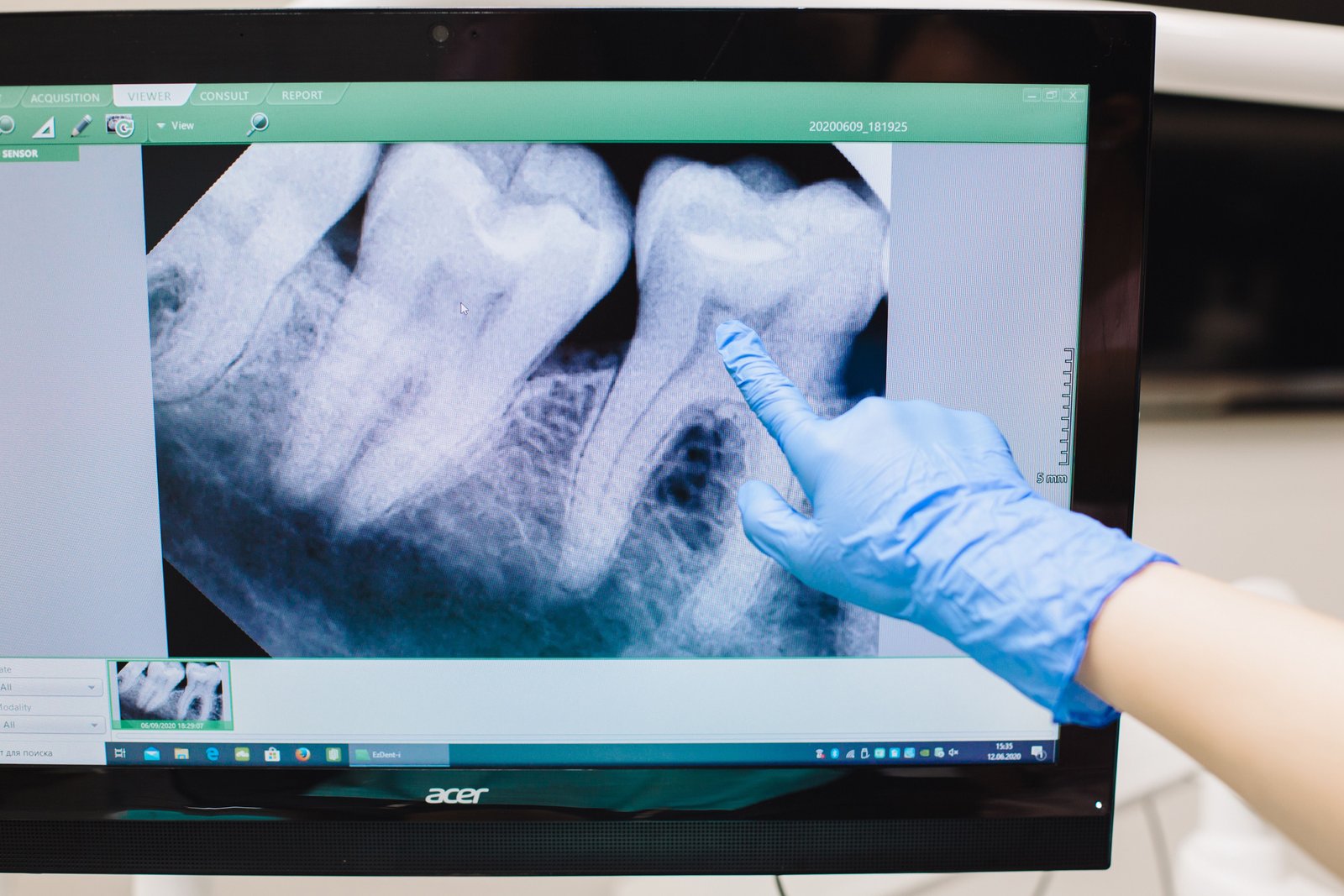
A severe toothache should never keep you from enjoying daily life. With modern rotary instruments, low-exposure digital diagnostics, and gentle pain-control protocols, professional root canal treatment is a straightforward, routine way to save your tooth and protect your health.
Take charge of your smile. Complete our scheduling form below to request a painless root canal consultation with Dr. V.R. Mishra at one of our convenient locations.