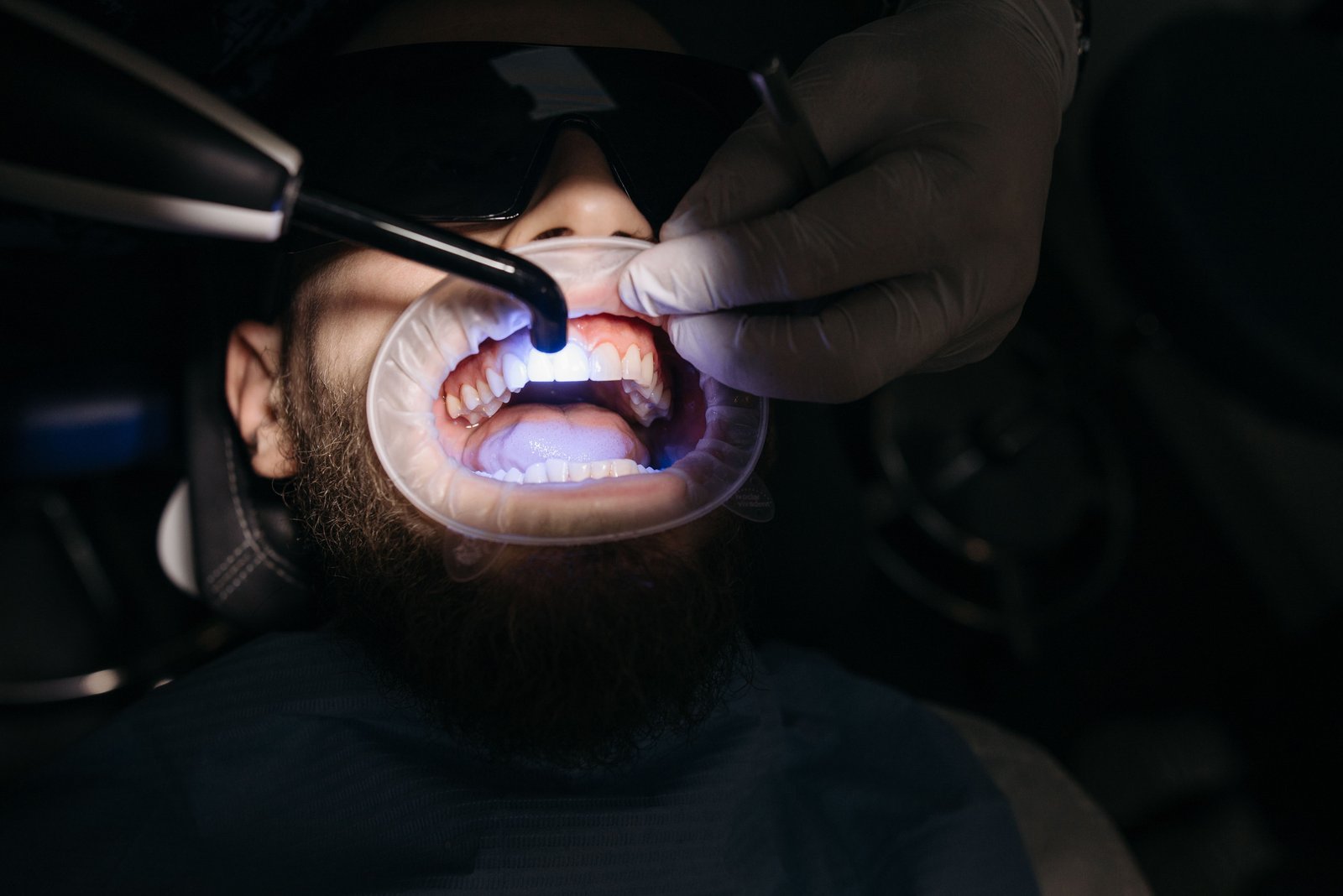
Understanding Acute Orofacial Pain: The Biological Alarm System
Physical pain serves as your body's vital alarm system, signaling active tissue damage, inflammation, or infection. In the context of the head, face, and mouth, this alarm system is controlled by the trigeminal nerve—the largest and most complex cranial nerve. Because the teeth and jaws are highly sensitive, dental pain is often described as uniquely intense and difficult to manage. Unlike soft tissue injuries elsewhere in the body, dental pulp is enclosed within hard, rigid dentin walls. When inflammation occurs inside this unyielding environment, the swelling cannot expand, leading to high pressure that directly compresses the sensitive nerve endings.
At V.I.P Dental Care, Varanasi, we do not simply mask pain with temporary medications. Guided by Dr. V.R. Mishra, B.D.S., M.U.H.S. (Mumbai), our clinical approach focuses on finding and treating the source of your pain. Across our three modern centers in Sigra, Kamachha, and Shivpur, we combine advanced diagnostics with specialized, gentle anesthesia techniques to resolve active infections and restore your comfort.
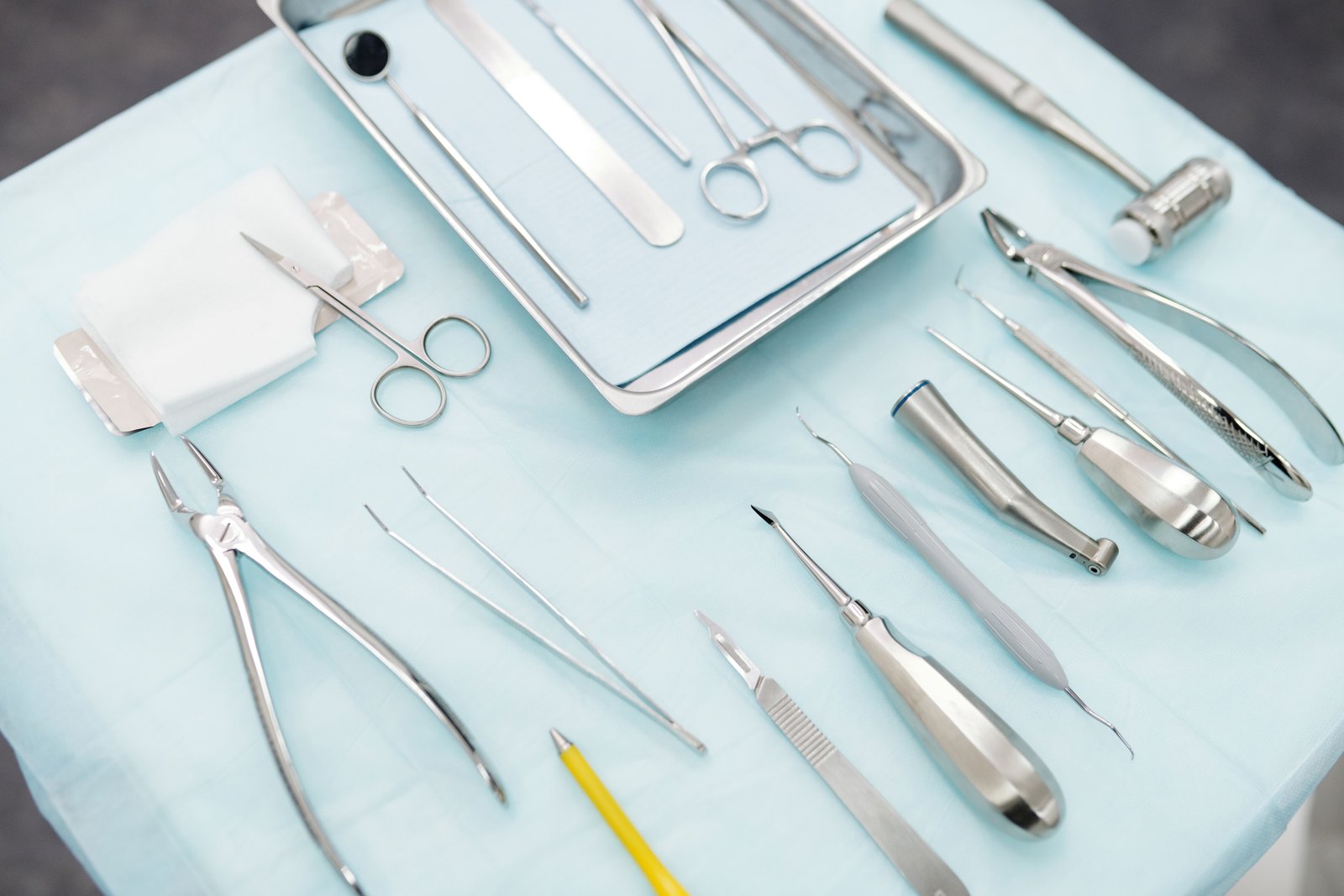
1. The Neurobiology of Dental Pain: Why Dental Pain is Unique
The teeth and surrounding supporting tissues contain a dense network of sensory receptors called nociceptors. These receptors respond directly to harmful stimuli such as thermal changes, mechanical force, and chemical irritants. Inside the tooth, the pulp tissue is packed with highly sensitive nerves. When bacteria from deep decay, cracked fillings, or physical trauma reach this area, they trigger an inflammatory response.
As blood vessels expand to deliver protective immune cells to the pulp, the rigid surrounding dentin prevents the tissue from swelling. This builds up hydrostatic pressure inside the tooth, directly irritating the nerves. This pressure is the biological cause of the throbbing, intense pain commonly associated with dental pulpitis.
Additionally, because the trigeminal nerve supplies sensory pathways to the entire face, dental pain can often be felt in other areas. For example, a deep infection in a lower molar can cause referred pain that feels like an earache, a temple headache, or localized neck pain. Having a clear understanding of these referred pain pathways is essential for making an accurate clinical diagnosis and avoiding unnecessary treatments.
2. Multimodal Analgesia: Beyond Over-The-Counter Medications
When dealing with severe dental pain, relying on a single over-the-counter pain reliever is often ineffective. At V.I.P Dental Care, we utilize a multimodal analgesia approach. This strategy combines different classes of medications to target pain pathways at multiple levels, providing more effective relief with fewer side effects.
For example, we may combine non-steroidal anti-inflammatory drugs (NSAIDs) to reduce swelling at the site of the tooth with peripheral analgesics to manage pain signals in the central nervous system. This combined approach is far more effective than taking high doses of a single medication.
We also emphasize the importance of professional diagnosis over self-medication. Taking antibiotics without a dentist's prescription will not relieve nerve pain directly and can lead to antibiotic resistance. True, lasting relief is only achieved when the underlying cause of the pain—whether it is decay, gum disease, or an abscess—is treated directly by a clinical professional.
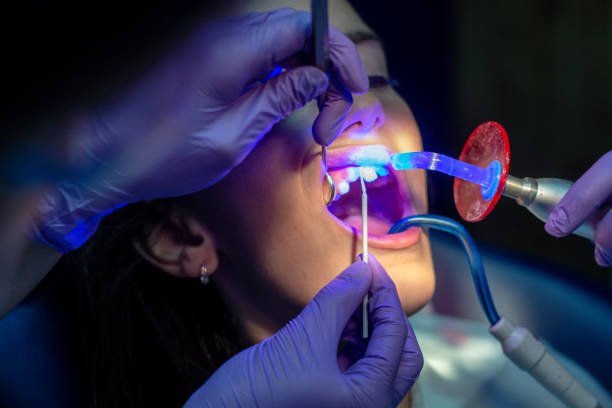
3. Clinical Procedures for Emergency Dental Pain Relief
When a patient comes to our clinic with acute, severe dental pain, our immediate goal is to establish comfort. Depending on the diagnosis, we perform targeted procedures to relieve pain quickly:
Access Cavity & Pulpotomy
For severe pulpitis, we create a tiny access opening in the enamel to vent the internal pressure instantly. We then gently remove the inflamed coronal pulp tissue to relieve pain and prepare the tooth for a complete root canal treatment.
Incision & Abscess Drainage
If a periapical or periodontal abscess has formed, creating pressure in the gums, we perform a precise surgical incision to drain the infection. This instantly relieves throbbing pressure and is followed by thorough sterile irrigation.
Wisdom Tooth Operculum Ablation
Pericoronitis occurs when gums over a partially erupted wisdom tooth become infected. We use targeted irrigation and comfortable laser ablation to remove the overlapping tissue, clearing the infection at its source.
Targeted Periodontal Debridement
For acute periodontal issues, we perform deep ultrasonic irrigation below the gumline to wash away hardened calculus and deep bacterial colonies, allowing the inflamed tissues to heal comfortably.
4. Diagnosing Non-Tooth Pain: Myofascial Pain & TMJ Disorders
Not all pain felt in the mouth or jaw originates from the teeth. It is common for joint issues, muscular strain, or nerve complications to mimic the symptoms of a toothache, sometimes leading to incorrect diagnoses.
A common example is Temporomandibular Joint Disorder (TMD), which affects the jaw joint and masticatory muscles. TMD can cause dull, chronic aching in the jaw, neck, and face, often accompanied by joint clicking or limited movement. Chronic clenching or grinding (bruxism), especially at night, can also place excessive force on the teeth, causing widespread sensitivity that feels like a tooth infection.
To treat these conditions effectively, we must differentiate them from tooth-related issues. At V.I.P Dental Care, we conduct comprehensive evaluations and provide targeted solutions—such as custom-fit occlusal night guards and muscle therapies—to relieve joint strain and protect your teeth from grinding wear.
5. Safe Home Care Steps While Awaiting Your Appointment
If you develop sudden dental pain, we recommend requesting an appointment immediately. While waiting for your visit, you can use these simple, safe home care steps to help manage discomfort:
Warm Saltwater Rinses: Mix half a teaspoon of salt into warm water and rinse gently. This natural solution helps clean the area and can reduce mild gum inflammation.
Cold Compression: Apply a cold compress or an ice pack wrapped in a towel to the outside of your cheek for 15-minute intervals. This can help numb the area and reduce swelling.
Avoid Temperature Extremes: Stick to soft, room-temperature foods and liquids. Avoid extremely hot, cold, sweet, or acidic items, as these can trigger sensitive nerves.
Elevate Your Head: When resting or sleeping, keep your head elevated with extra pillows. This helps lower blood pressure in the head and can ease throbbing pain.
Prioritize Your Oral Comfort Today
Living with persistent jaw pain or a severe toothache can significantly affect your quality of life. Modern diagnostics, gentle pain-control protocols, and timely clinical treatment can help resolve the infection and restore your comfort.
Take the first step toward relief. Complete our booking form below to request an emergency pain management consultation with Dr. V.R. Mishra.